A worldwide community photographing and learning about wildlife

Project Noah Nature School

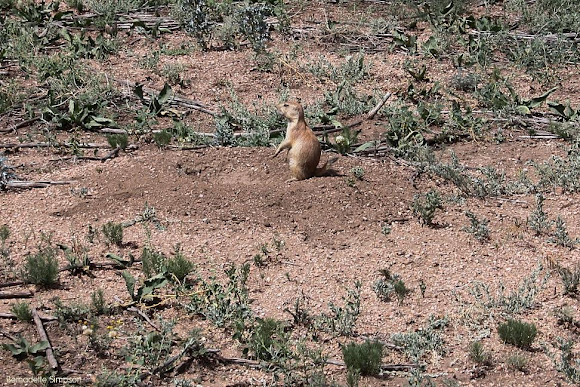
Cynomys
On average, these stout-bodied rodents will grow to be between 30 and 40 centimetres (12 and 16 in) long, including the short tail and weigh between 0.5 and 1.5 kilograms (1 and 3 lb). Prairie dogs are chiefly herbivorous, though they eat some insects. They feed primarily on grasses and, in the fall, broadleaf forbs. In the winter, lactating and pregnant females supplement their diets with snow for extra water.[6] They also will eat roots, seeds, fruit and buds. Grasses of various species are eaten. (wiki)
Prairie dogs mainly live in altitudes ranging from 2,000-10,000 ft above sea level.[7] The areas in which they live can get as warm as 100°F in the summer and as cold as -35°F in the winter.[7] As prairie dogs live in areas prone to environmental threats, including hailstorms, blizzards, and floods, as well as drought and prairie fires, burrows provide important protection for them. Prairie dog burrows can serve to control temperature as they are 5-10°C during the winter and 15-25°C in the summer. Prairie dog tunnel systems help channel rainwater into the water table to prevent runoff and erosion, and can also serve to change the composition of the soil in a region by reversing soil compaction that can be a result of cattle grazing. (wiki)
Cheyenne Mountain State Park

Spotted on Aug 26, 2011
Submitted on Feb 9, 2012










No Comments