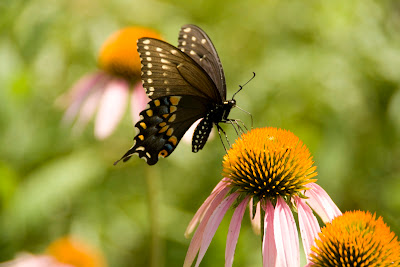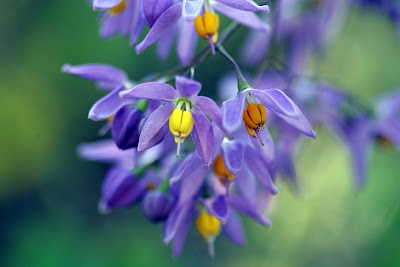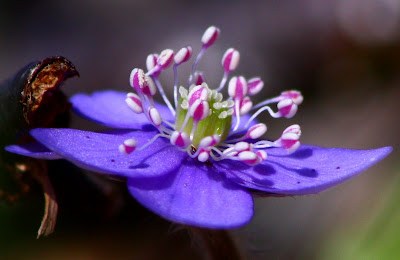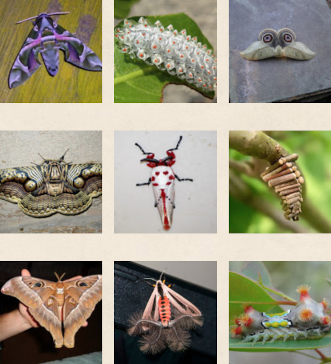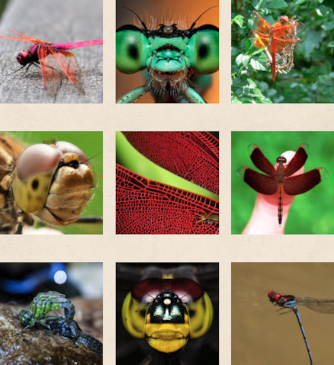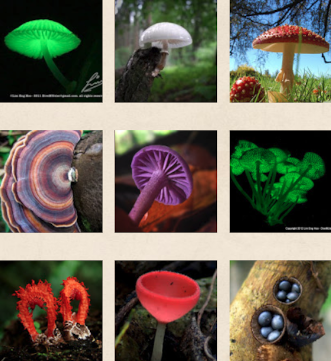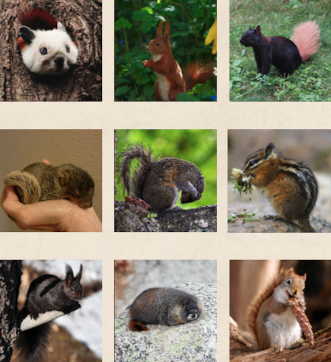
Flowers about 5 millimeters in diameter.
The Black-and-white Warbler is a species of New World warbler, the only member of its genus, Mniotilta. It breeds in northern and eastern North America from the Northwest Territory and Newfoundland and Labrador, Canada to Florida. This species is migratory, wintering in Florida, Central America and the West Indies down to Peru. This species is 14 centimetres (6 in) long and weighs 11 grams (0.39 oz). The summer male Black-and-white Warbler is boldly streaked in black and white, and the bird has been described as a flying humbug. There are two white wing bars. Female and juvenile plumages are similar, but duller and less streaked. Its song is a high see wee-see wee-see wee-see wee-see wee-see or weesa weesa weetee weetee weetee weet weet weet. It has two calls, a hard tick, and a soft, thin fsss. The breeding habitat is broadleaved or mixed woodland, preferably in wetter areas. Black-and-white Warblers nest on the ground, laying 4–5 eggs in a cup nest. This bird feeds on insects and spiders, and unlike other warblers, forages like a nuthatch, moving up and down tree trunks and along branches
Whether poised at a river bend or cruising the coastline with slow, deep wingbeats, the Great Blue Heron is a majestic sight. This stately heron with its subtle blue-gray plumage often stands motionless as it scans for prey or wades belly deep with long, deliberate steps. They may move slowly, but Great Blue Herons can strike like lightning to grab a fish or snap up a gopher. In flight, look for this widespread heron’s tucked-in neck and long legs trailing out behind
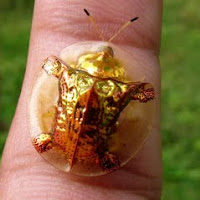
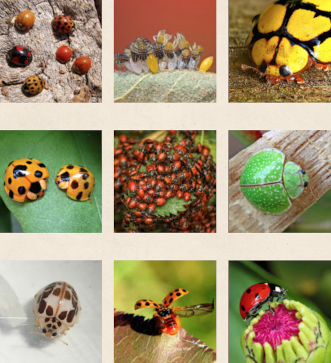
Tiny black and beetles.
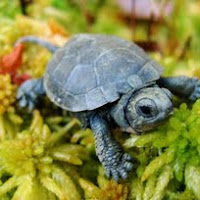
It takes a few months for them to hatch, but it is common for the baby turtles to stay in the nest through winter (they can survive on yolk inside the eggs for many months). Here is a great article I found that takes you through the process of box turtle nests: http://www.dailykos.com/story/2012/03/11... far as protecting the area, maybe just putting a wire box cage over it to keep anything from digging up the eggs should be sufficient, just make sure the wire is big enough for the baby turtles to get through when they do come out of the nest. Before you go through all this trouble, you might want to gently remove dirt away from the area until you see eggs just to make sure there are actually eggs there, but be very careful not to move them or this will kill the babies, then cover them back up with dirt. It is common for turtles to dig "test nests" to look for ideal conditions for the real nest, but they normally don't cover the nest nests back up but do cover up the real nest, so that is another way to tell. Then in a few months you can find little baby turtles and take lots of pictures for an adorable spotting :)
Mapping Nature on Your Smartphone
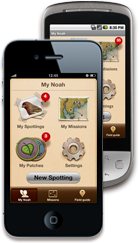
For the developers at New York start-up Networked Organisms, smartphones are the butterfly nets of the 21st Century. Their tool, Project Noah, lets people upload photos of plants and wildlife around them, creating a map of the natural world and contributing to scientific research in the process.
What kind of beetle? This app knows
Bespectacled scientists of yore would carry around hefty field guides, made up of hundreds of pages of text and photos. But these days, smartphone owners have a lighter option: an app called Project Noah, which aims to help people identify plants and animals as well as collect data from "citizen scientists" about where certain species are located.
Designing ecosystems for talent development
Project Noah enables us to be part of a more focused online community where we can learn more about wildlife around us and contribute to scientific research. It pulls participants into deeper, more meaningful engagement by enabling people to go on “missions” to collectively map changes based on sightings.
A smart way to save wildlife
A modern invention that may also hold the key to saving species in the future. Project Noah is a global study that encourages nature lovers to document the wildlife they encounter, using a purpose built phone app and web community. In addition to the virtual "collection" of species, Project Noah encourages citizen science by linking up with existing surveys including the International Spider Survey and the Global Coral Reef Monitoring Network.
Dial-a-Class
New mobile applications include a tool called NOAH that lets you take cellphone pictures of bugs and trees and then sends back an identification of the exact type in as little as 24 hours.